Slavery, Psychology, and Bibi’s Or Hachaim: A Vort for Parshas Shemos

British psychologist Steve Taylor describes a phenomenon he discovered in his research which he calls, SITE – “Suffering Induced Transformational Experiences”.  Taylor found that individuals who went through painful experiences (medical, emotional, loss, etc.) would often emerge from them with a new state of being which included, “increased well-being, intensified perception, a sense of connection, improved relationships, a less materialistic and more altruistic attitude, decreased cognitive activity, and reduced fear of death”.

Vignette of a Famous
Rabbi- The Real Matanot L’evyonim

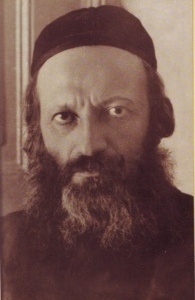
The Rambam (Hilchot Megilah 2:17) tells us that the most important mitzvah one can perform on Purim day is matanot l’evyonim – gifts to the destitute.  We usually understand this to mean gifts of food or money (Ibid; see also Ritva Megillah 7a).  However, the following story about Rav Kook ZT”L tells us that there is much more to the mitzvah than a few dollars:
Rav Kook’s house in pre-State Jerusalem was a thoroughfare for the destitute on Purim day. They would all come looking for generous gifts from the Chief Rabbi’s Purim fund. Rav Kook would not only..

The Melancholy of Aharon and Lincoln – A Vort for Parshas B’Haaloscha

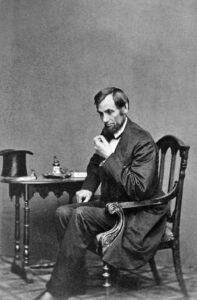
President Lincoln’s depression is one of the most interesting chapters of American history.  Although it may not be taught in grade school, Lincoln’s friends, family, and political colleagues all knew of his “melancholy”.  In our modern-day clinical terminology we would call it depression. However, it was this element of his character that historians credit with giving him the skill, insight, and vision to lead the United States through its most troubled period.  In fact, modern scientific research has shown us that periods of depression in life can actually lead to…….